
"coffee farming Ethiopia"
3000 article(s) found

Top 10 boutique coffee ranking coffee bean price list Qianjie coffee freshly roasted 95 packets of mail clothes soapy
2012 Top Ten Fine Coffee American (SCAA) Baker Association 2012 raw bean contest (COTY-Coffees of the Year) ended a few days ago. 250 kinds of raw coffee beans from 26 countries in the world's major coffee producing regions took part in the competition for the 2011 / 12 Global Best Fine Coffee Award. After the professional judges' evaluation of the dry, wet and taste of the participating coffee

Ethiopia Coffee Estate Summer Village Garden Story-Go back to Ethiopia to find the source of summer
Before meeting Willem Boot, owner of La Mula in Panama, Adam Overton had only a vague dream of buying a farm in Ethiopia to grow the world's most delicious coffee, Geisha. Why Ethiopia? Because it's said that Ethiopia

Washed Sidamo G1 Hill Amelia Processing Farm Coffee Flavor Taste of Harvest Third Place
Professional coffee knowledge exchange More coffee bean information Please pay attention to coffee workshop (Weixin Official Accounts cafe_style) Ethiopian washed Sidamo G1 Guji District Hambella Town coffee flavor aroma Description Product: Ethiopia washed Sidamo Chire Ameli G1 Washed Introduction: Chire Ameli processing plant (Ch

Ethiopian single Farm system Single Farm Project Sukkuto single Farm
Sukuto Manor was founded by the owner Tesfaye Bekele in 2005. From the beginning of five hectares, after decades of efforts, it has become more and more famous for adhering to high-quality cultivation, and the manor has gradually expanded to a large and medium-sized estate of two hundred hectares. Since the manor area has reached the legal scale, the single farm system can export on its own without going through ECX (Ethio).

Introduction to the method of texture treatment of Ethiopian Coffee Flavor and Grinding degree
On coffee farms, high quality assurance is reflected in the timely and strict selection of mature and reddest coffee fruits. Picked coffee needs to be protected from direct sunlight, and the picked fruit is concentrated in a bamboo basket to avoid contact with the soil. The picked fruit is washed in clean water and preserved under water to improve the flavor and color of coffee beans. Processing

Introduction to the Gedeo producing area of Yega, Ethiopia. How about the flavor of dried fruit coffee beans on the Yega Xuefei tree
Professional coffee knowledge exchange more coffee bean information please follow the coffee workshop (Wechat official account cafe_style) this is not just the introduction of a new product, with the debut of this coffee, we will officially explore the next generation of Ethiopian coffee with you. Among several trends in the development of Ethiopian boutique coffee, we had a relationship with large coffee in the cup test the year before last.

Coffee beans-characteristics of shallow baking of fine sun-dried beans auctioned by Ethiopia COE
2020 Ethiopia's first COE bid: coffee growing countries: Ethiopia Coffee producing area: Arsi planting altitude: 2050m treatment: washed Coffee Variety: tin truck roasting degree: medium to shallow roasting according to the SCA recommended handbrew coffee weight 15g coffee powder 90 degrees to 91 degrees hot water 225ml, gouache ratio 1:15. This coffee bean will be in Ethiopia COE in 2020.

Description of Flavor and Taste of Coffee Variety in Ethiopia Coffee Manor
Ethiopia is an ancient country with a history of 3000 years of civilization. The Hamite people who immigrated from the southern Arabian Peninsula were the earliest inhabitants. Monlinique I reigned in 975 BC. The Kingdom of Nubia was established in the 8th century BC. From the 1st century to 976 AD, the Ethiopian Empire, also known as the Kingdom of Aksum, was established in Aksum in the north. Christianity was introduced into Ethiopia in the 4th and 5th centuries.

Ethiopian coffee origin Ethiopian coffee processing methods Processing methods
The bulk of coffee production (95%) is done by small shareholders, with an average yield of 561 kg/ha. For centuries, small shareholders of Ethiopian coffee farms have been producing a variety of high-quality coffee types. The secret to producing good coffee is that coffee farmers have developed environmental conditions through generations of repeated learning of the coffee growing process.
Flavor characteristics of Yega Shefiwoka Description of Woka Cooperative
Washed Ethiopia can reach the highest grade of G1, which is very rare. This bean comes from a single farm in Ethiopia and is processed by Worka cooperative. Alemayehu Alako Farm is a member of the Waka Cooperative. Woka Cooperative is located in the south of Gedeb District. It was founded in 2005 and joined the famous Yejia Shefi Coffee Farmers Cooperative that year.

Sidamo Coffee Bean Introduction, Sidamo Coffee Growing Flavor
Pay attention to the coffee comment (Weixin Official Accounts vdailycom ) and discover a beautiful cafe to open its own shop Name: Ethiopia Democratic Federal Republic (Ethiopia) Location: Located in the plateau of northeastern Africa. Neighboring countries: North Eritrea, South Kenya, East Somalia Djibouti, West Sudan Land area
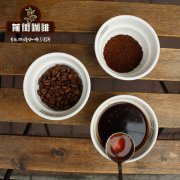
How is the acidity of rosy summer coffee in Yega Sheffield Village? Who is the best Rose Summer Manor?
More information about coffee beans Please follow the coffee workshop (official Wechat account cafe_style) before meeting La Mula owner Willem Boot in Panama, Adam Overton had only a vague dream of buying a farm in Ethiopia to grow the world's most delicious coffee Geisha. Why Ethiopia?

Ethiopian Red Cherry Project | Xie Like Shilcho Cooperative | G1 washes local native species
Professional coffee knowledge exchange more coffee bean information please follow the coffee workshop (Wechat official account cafe_style) Ethiopian Red Cherry Project | Xie Like Shilcho Cooperative | G1 wash the flavor of local native species? Ethiopia is the country where coffee was first discovered. It is still the most important producer and the best producer in terms of coffee quality and output.

Introduction to the roasting degree of Yega Sheffivoka Coffee in Ethiopia
The coffee market regulatory body in Ethiopia is the Ethiopian Coffee and Tea products Administration. There are two auction centers in the country, one in the capital Addis Ababa (Addis Ababa) and the other in Dire Dawa in eastern Ethiopia. Coffee growers bring fresh fruit or to private coffee processing plants or cooperative coffee washing stations

Introduction of LOT#2 selected batches of washed Sidamo Coffee G1 Valley Jikor Shamakanisha treatment Farm
Professional barista exchange please follow the coffee workshop (Wechat official account cafe_style) Ethiopia washed Sidamo G1 Valley Jikol Shamakanisha Nisha processing plant LOT#2 (Ethiopia Washed Sidama Guji Kercha Mokonisa Mill Lot#2) flavor description: apricot peach, lemon, sweetened peach, tender ginger, floral notes, juicy and rich taste, sweet sugar, citrus

Lime Coffee | Ethiopia | Red Cherry Project | Kobena Forest G3 sun-dried beans
For more information on coffee beans, please follow the coffee workshop (Wechat official account cafe_style) Lime Coffee | Ethiopia | Red Cherry Project | Kebana Forest Kobena Forest G3 sun-dried beans Ethiopia is the first country to discover coffee, and it is still the most important and best producer in terms of coffee quality and output. Coffee is mostly traditional.

Introduction to the flavor and taste of washed Sidamo Coffee introduction of Sidamo Lion King Coffee producing area
Coffee is Ethiopia's main economic crop and the country's largest crop export and important industry. It accounts for 60% of Ethiopia's total export value and supports many small farms, as well as sugar, bananas and cotton. It is also Ethiopia's largest and important commodity export crop after oil, and it is also the largest export of Elaraby in Africa, in 1997.

Elegant and unripe Panamanian Rosa Coffee Flavor description Variety characteristics introduction of Fine Coffee beans
Haines, a Swede, in 1924. Elliott founded Esmeralda Farm, which was not a coffee grower but a ranch. Forty years later, Daniel Lou in 1964. Mr. Bidarson's grandfather, Luther Ruffer. Mr. Bidarson bought Esmeralda Farm in order to have an old home after retirement, grandfather Luthor. Born in Sweden, Mr. Bidarsson was president of Bank of America and United.

Ethiopian Coffee Manor Jade Manor introduction to Panamanian Emerald Manor Rose Summer
Introduction to rose summer: the species of Geisha was discovered in the rose summer forest of Ethiopia in 1931 and sent to the Coffee Research Institute in Kenya; it was introduced to Uganda and Tanzania in 1936, in Costa Rica in 1953, and Panama was introduced by Francesca in the Dongba Seven Farm Garden in the 1970s. Mr. Serraxin got the seeds from CATIE, Costa Rica, and started planting.

Chocolate aftertaste of Ted manor fine coffee beans varieties planting market price profile
Coffee farming villages produce about 35 percent of the country's coffee. These coffee farms, which use a multi-tiered coffee growing system, are carefully cared for. Coffee farmers do not use chemical fertilizers, but use fallen leaves, plant and animal debris to increase soil nutrients. In addition to coffee, farmers also frequently grow non-coffee crops. Even the national coffee total